GET INFORMATION

About mental illness

Understanding mental illness is the first step toward healing. Find reliable, accessible information on conditions, treatment, and recovery.

CONDITION FACT SHEETS

Learn about specific conditions

The following information is sourced from NAMI national. For complete condition guides, visit nami.org/About-Mental-Illness.

Depression

Persistent sadness, loss of interest, and feelings of hopelessness. The most common mental health condition in the US — affecting 21 million adults annually.

Anxiety disorders

Includes generalized anxiety, panic disorder, social anxiety, and phobias. Affects 40 million adults in the US each year.

Bipolar disorder

Characterized by episodes of mania and depression. Affects approximately 2.8% of US adults. Highly treatable with proper care.

PTSD

Post-traumatic stress disorder develops after exposure to a traumatic event. Affects 3.5% of US adults. Trauma-informed care is essential.

OCD

Obsessive-compulsive disorder involves unwanted thoughts and repetitive behaviors. Affects 2-3% of the population. Highly responsive to treatment.

Schizophrenia

A serious mental illness affecting how a person thinks, feels, and behaves. Affects less than 1% of adults but is often misunderstood.

ADHD

Attention-deficit/hyperactivity disorder — difficulty sustaining attention, controlling impulses. Affects both children and adults.

Eating disorders

Anorexia, bulimia, binge eating disorder. Among the deadliest mental health conditions. Early intervention is critical.

Complete library of condition information available at nami.org

RECOVERY AND WELLNESS

What recovery looks like

Recovery from mental illness is real and possible. For many people, recovery means living a meaningful and satisfying life despite the presence of a mental health condition. Recovery is not the same as being “cured.” It’s an ongoing process of building resilience, strengthening relationships, finding purpose, and developing the skills to manage your condition. The path to recovery is different for everyone. It may include professional treatment, peer support, education, lifestyle changes, and community connection. NAMI SNV’s programs support every step of that journey.

Peer-to-Peer class

8-session recovery education program for individuals.

NAMI Connection group

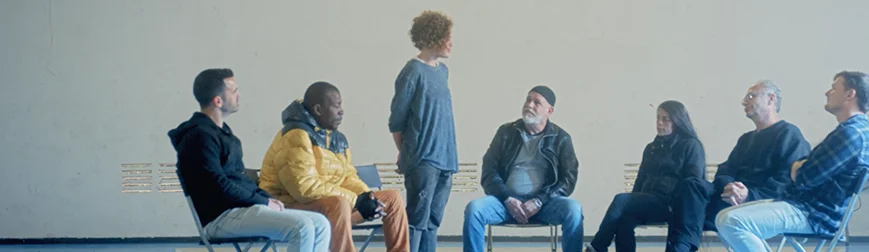
Weekly peer-led support for adults with mental illness.

CARES peer support

1-on-1 with a peer specialist who has been there.

Local providers

Find treatment professionals in Southern Nevada.

Key principles of recovery

› Hope

› Person-driven

› Many pathways

› Holistic

› Peer support

› Relational

› Culturally responsive

› Strengths-based

› Trauma-informed

› Respect